
Magyar Agár: breed guide
The Hungarian sighthound: elegance with strength and stamina
History and origins
The Magyar Agár reveals another side of Hungarian dog history: a hunter in open country that follows movement primarily with its eyes. The FCI links its ancestors with the settlement of the Magyars and refers to archaeological skull finds. The standard also records nineteenth-century crosses with other sighthounds to increase speed. That describes an old ancestry with later development, not an exactly proven age for the current breed.
The standard emphasises stamina and performance over longer distances. This matters in understanding the dog. Its elegance rests on strength; its story is about persistence as well as speed. Alongside herders, guardians and pointing dogs, it adds its own chapter to Hungary's working-dog tradition.
Breed reference: FCI standard for Magyar Agár.
Appearance, colours and coat
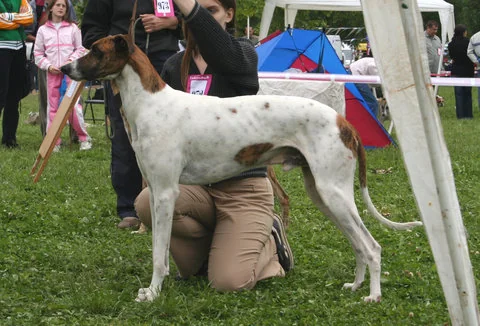
The Magyar Agár, also called the Hungarian Greyhound, is a strong sighthound with a short, dense coat. The FCI gives ideal shoulder heights of 65–70 cm for males and 62–67 cm for females. Several colours are allowed, subject to the exclusions in the full standard; use that source when checking a specific colour.
Read the official FCI standard. A breed standard describes the desired type; it does not promise the behaviour or health of an individual dog.
Character and temperament
The FCI describes an intelligent, faithful and somewhat reserved dog with watchful qualities. Therefore, adapt introductions to the individual dog's pace. Patient positive experiences are more valuable than insisting on immediate contact.
Teach comfortable handling, resting in a regular place and cooperation with lead and harness at home. Build trust through predictability. During walks, practise attention before the surroundings become very exciting. A friendly response to people does not automatically indicate how the dog behaves with small animals. Assess actual responses carefully and seek experienced guidance for difficult introductions.
Breed reference: FCI standard for Magyar Agár.
Coat care and everyday grooming
The coat is short and dense; according to the FCI, more undercoat may develop in winter. Regular gentle grooming helps you notice skin condition, comfort and changes in body shape. Examine the feet after running and, with appropriate advice, keep nails at a comfortable length.
Provide a pleasant resting place for recovery and check whether equipment rubs. Introduce dental care and handling gradually. Observe what your dog needs through different seasons and discuss protection or adjustments with a knowledgeable professional if uncertain. A good routine fits the dog's activity and your ordinary week.
Exercise and activities
Safe space matters for a sighthound. Choose a securely enclosed area for free running when unreliable recall or wildlife makes open ground unsuitable. Combine walking and sniffing with appropriate opportunities for movement: speed alone does not describe a complete day. Start with easy activity and increase demands gradually. Adapt running to age, fitness, weather and surface. Practise returning calmly to the lead and allow enough recovery.
Training and learning
Reward the behaviour you want to see again. Practise one useful skill at a time: coming when called, walking comfortably on a lead, settling and accepting gentle handling. Start where your dog can succeed, keep lessons brief and add distractions gradually. Use the breed’s original role as context, then adapt to your individual dog. Intelligence does not replace patient teaching.
Training approach: Dogs Trust: positive reinforcement and rewards.
Health and responsible ownership
Ask a breed club familiar with your country and the relevant lines about appropriate screening and family history. Examine documents and discuss them with a veterinarian. Watch gait, body condition and recovery after activity. If the dog runs differently or becomes less willing to move, investigate before increasing demands. Keep routine preventive care organised and adapt food and exercise to the individual dog.
Family life and suitability
A Magyar Agár may suit someone who appreciates a sighthound and can offer safe, suitable exercise. Think about local walking routes, enclosed areas and any small pets. Meet adults and ask experienced owners about recall, introductions and daily habits. A suitable relationship requires realistic guidance and respect for its original purpose. Its grace becomes even more fascinating when you get to know the strength and stamina behind it.
Choosing and raising a puppy
Before choosing a Magyar Agár puppy, meet adult dogs and ask how the parents live day to day. Request the actual health-screening documents recommended by your country’s breed club. Discuss family history and what support the breeder provides after the puppy comes home. Plan company, supervision, grooming and a quiet resting place before arrival.
Introduce people, ordinary sounds and gentle handling in small, pleasant steps. Give the puppy room to retreat and stop an interaction when it becomes worried or overwhelmed. Ask your veterinarian which outings are suitable around the vaccination programme. Adapt exercise to the growing dog rather than copying an adult’s routine; there is no single exercise prescription that suits every puppy.
Further guidance: Dogs Trust: puppy socialisation.
Compare related breeds
Magyar Agár versus Vizsla compares a sighthound and a pointing dog. The Transylvanian Hound adds a scent-hound perspective. Consider wildlife, recall and secure exercise for the individual dog: a shared Hungarian origin does not imply the same hunting behaviour.
Frequently asked questions
Is a Magyar Agár a good family dog?
Consider the individual dog, its daily needs and your household routine. Meet adults, discuss children and other animals with experienced owners, supervise interactions and provide a resting place where the dog is undisturbed.
How much exercise does this breed need?
Combine suitable movement, sniffing, short lessons and rest. Age, fitness, weather and health change what is appropriate. The exercise section above offers activities; a veterinarian can help adapt the plan for a growing, older or unwell dog.
What should I ask a breeder?
Ask to meet the dogs, inspect the relevant parental health-screening documents and discuss temperament, daily care, puppy experiences and ongoing support. A test result reduces uncertainty about a particular issue; it cannot guarantee lifelong health.
Which coat routine should I follow?
The coat is short and dense; according to the FCI, more undercoat may develop in winter. Regular gentle grooming helps you notice skin condition, comfort and changes in body shape. Examine the feet after running and, with appropriate advice, keep nails at a comfortable length.
Where can I share photos and ask other owners?
Visit the community through the link below. Owner experiences can be helpful context, but they do not replace a veterinarian’s assessment of a health concern.
Sources and editorial notes
This English edition combines the existing English breed stories with additional appearance, puppy, comparison and FAQ sections. Breed standards describe typical breed traits. Practical guidance should be adapted to the individual dog; ask your national breed club for current screening recommendations.